
Vitamin A in Skincare: Retinol & Retinyl Palmitate – Benefits, Uses & Research
What Are Retinol and Retinyl Palmitate?
In the cosmetic industry, retinol and retinyl palmitate are two common forms of vitamin A, listed under their INCI names: Retinol and Retinyl Palmitate.
Retinol is a pure, active form of vitamin A. It’s powerful but gentle enough for over-the-counter skincare.
Retinyl palmitate is a more stable, milder derivative. It converts to retinol (and later to retinoic acid, the form used by skin cells) once absorbed by the skin.
Both are soluble in oils, making them easy to blend into creams, serums, and lotions.
Key Benefits: Why Vitamin A Derivatives Work
Research shows retinol and retinyl palmitate offer three major benefits for your skin:
- Anti-Aging: Fights Wrinkles and Fine Lines
As we age, our skin produces less collagen—the protein that keeps skin firm. Vitamin A derivatives step in to boost collagen production.
A 2015 study in the Journal of Cosmetic Dermatology found that participants using a 0.5% retinol cream for 12 weeks had a significant increase in collagen levels, with visible improvements in wrinkle depth (source: Journal of Cosmetic Dermatology, 2015).
- Improves Skin Texture
Retinol and retinyl palmitate speed up skin cell turnover. This means old, dead skin cells slough off faster, revealing smoother, brighter skin underneath.
A 2006 study in Dermatologic Surgery reported that 0.1% retinol use over 8 weeks reduced roughness and uneven texture in 90% of participants (source: Dermatologic Surgery, 2006).
- Enhances Overall Skin Health
By supporting the skin barrier and reducing inflammation, these ingredients help balance oily skin, minimize pores, and even fade post-acne marks.
How Much to Use? Safe Concentrations
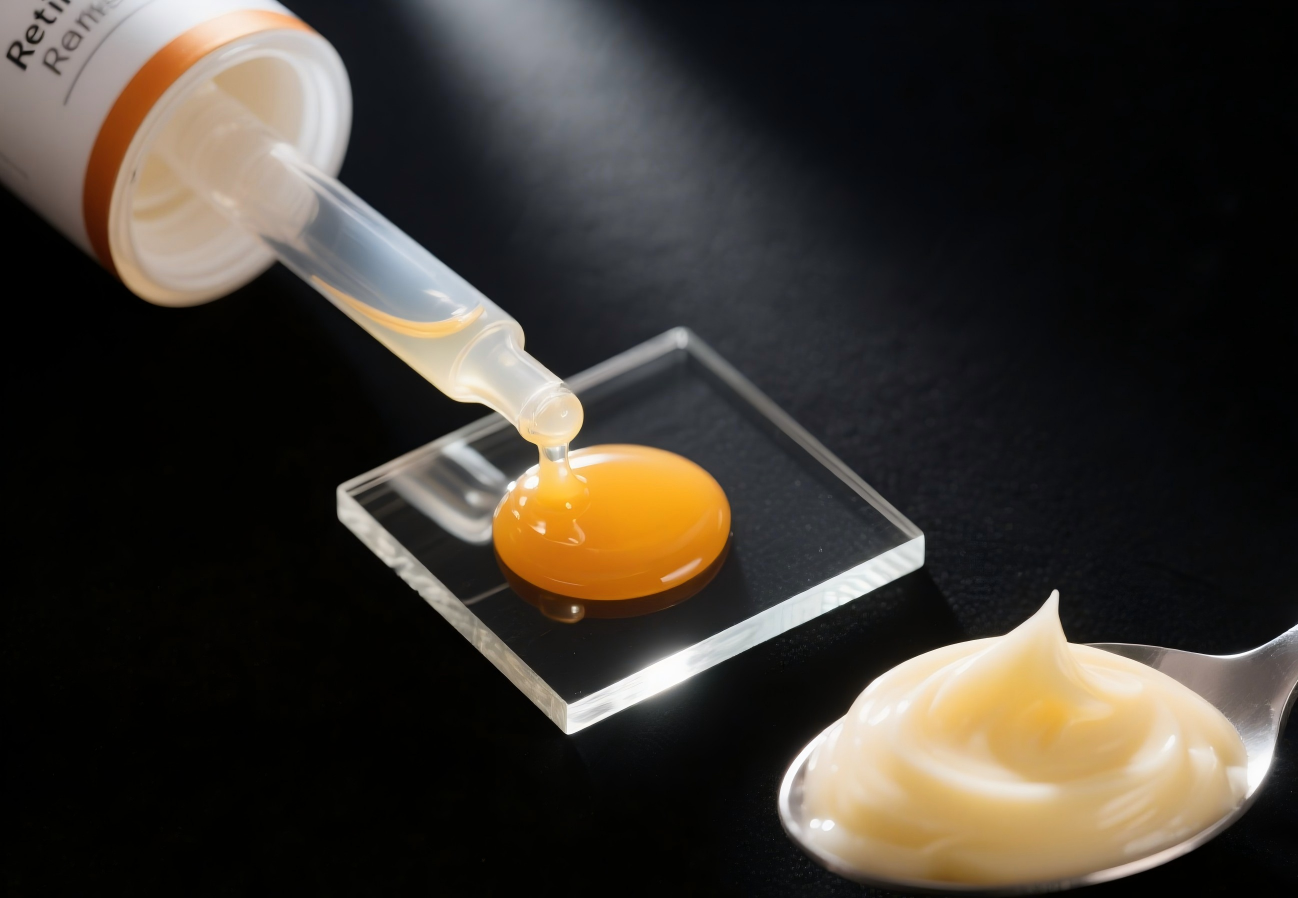
In cosmetics, retinol and retinyl palmitate are typically used at 0.1%–1%:
Beginner-friendly products: 0.1%–0.3% (great for sensitive skin).
Targeted anti-aging products: 0.3%–1% (for those used to vitamin A).
Higher concentrations (over 1%) are usually prescription-only (like tretinoin) due to potential irritation.
Product Features and Advantages
Pros: Works faster; delivers visible results in 4–8 weeks.
Best for: Normal to oily skin; those targeting wrinkles or uneven tone.
Pros: More stable (less likely to break down in light/heat); gentler on sensitive skin.
Best for: Dry or sensitive skin; beginners new to vitamin A.
Both play well with other ingredients like hyaluronic acid (boosts hydration) and vitamin C (enhances brightening), but avoid mixing with benzoyl peroxide (it can reduce effectiveness).
How to Use Vitamin A Products
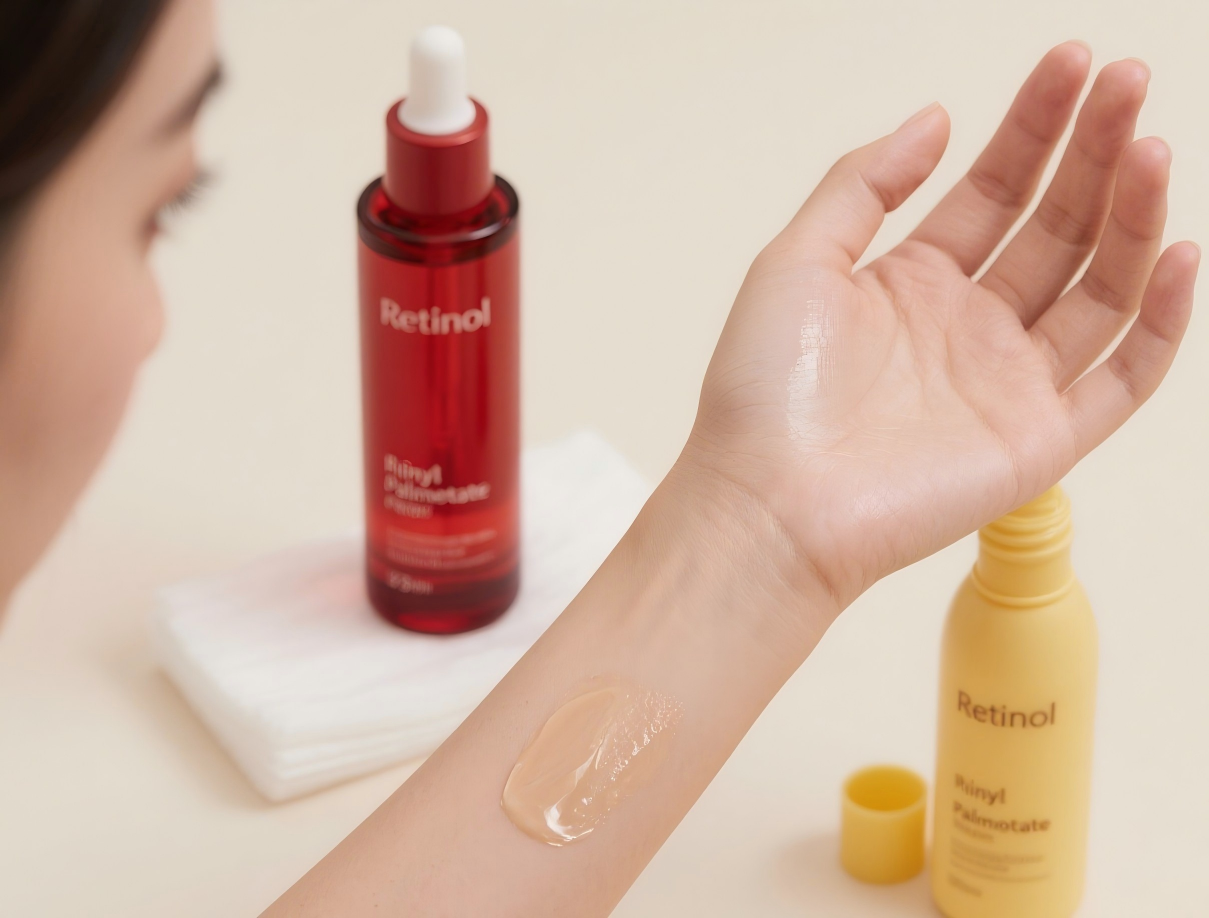
Start slow: Use 2–3 times a week to let your skin adjust (irritation like redness or flakiness is normal at first).
Apply at night: Vitamin A breaks down in sunlight, so nighttime use prevents reduced efficacy and sun sensitivity.
Moisturize: Layer with a hydrating moisturizer to soothe skin.
Wear sunscreen daily: Even if you use vitamin A at night, your skin may be more sun-sensitive—SPF 30+ is a must!
Common Uses in Cosmetics
You’ll find retinol and retinyl palmitate in:
- Serums: High-concentration formulas (e.g., 0.5% retinol serums) for targeted anti-aging.
- Moisturizers: Daily use creams with 0.1%–0.3% retinyl palmitate for gentle, long-term care.
- Eye creams: To tackle fine lines around the eyes (often 0.1%–0.3% retinol).
- Night masks: Overnight treatments with slow-release vitamin A for deep repair.
Final Thoughts
Retinol and retinyl palmitate are more than just hype—they’re proven tools for healthier, younger-looking skin. Whether you’re a skincare pro or a beginner, there’s a vitamin A product for your needs. Start low, be consistent, and pair with sunscreen—your skin will thank you!
- Name: Yuik
- E-mail: sales02@nahanutri.com
- WhatsApp:+8618066950297