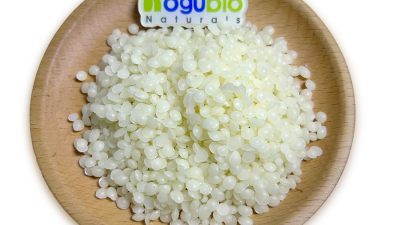
Lately, there's been a pretty noticeable shift in the cosmetics world. People are really into sustainable and eco-friendly products these days, so natural ingredients are taking center stage. I read in a recent industry report that the global market for natural and organic personal care is expected to hit around $25 billion by 2025 — that's a solid growth rate of about 9.6% per year. Among the many natural ingredients out there, Bulk Beeswaxis kind of a standout because it’s versatile and eco-conScious, making it a favorite for brands trying to boost their sustainability game.
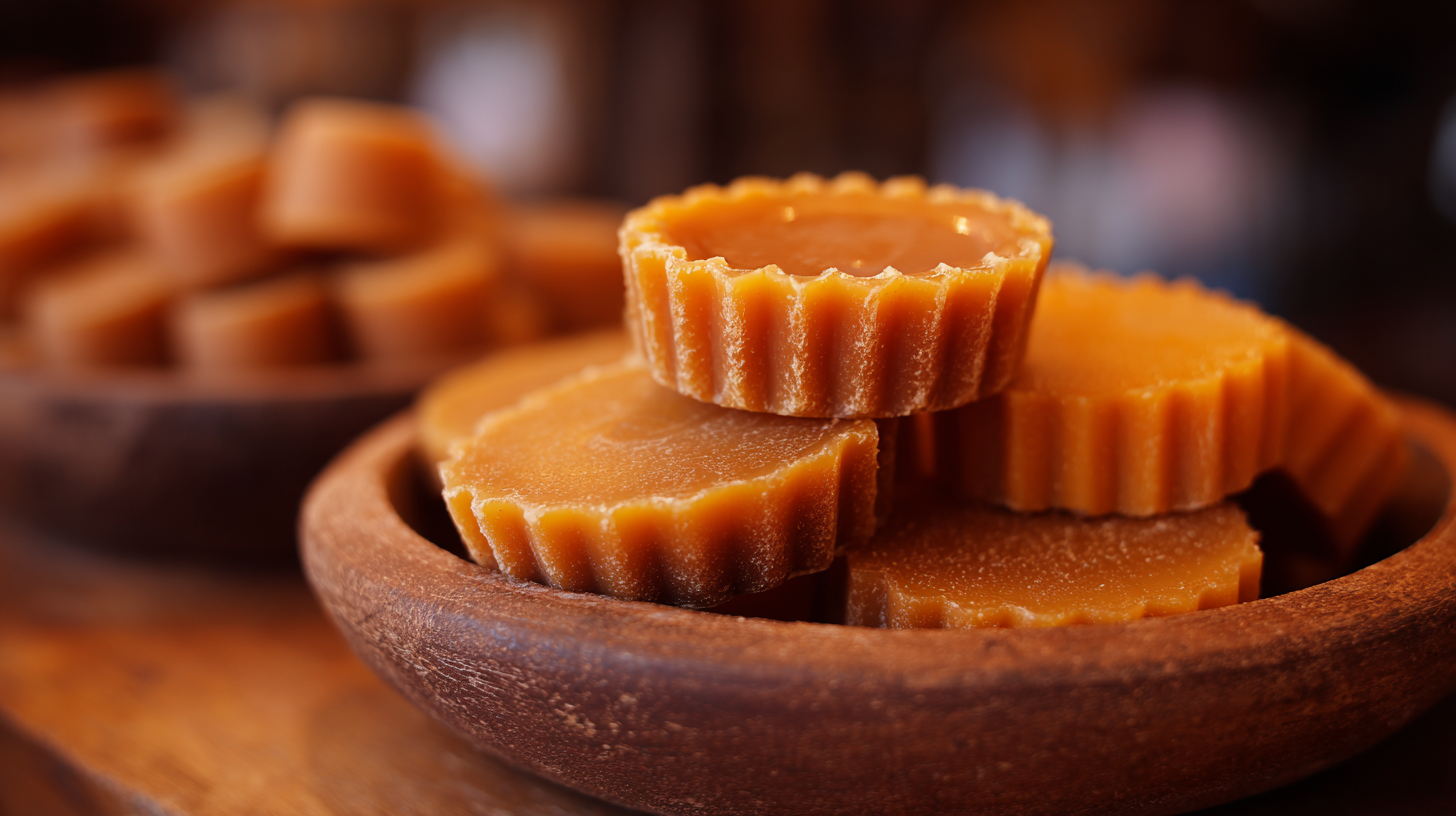
Companies like Xi'an Aoge Biotech Co., Ltd. are really leading the charge here. They’re not just offering top-quality, ethically sourced Bulk Beeswax but also providing a range of natural plant extractsand some synthetic options for high-end skincare products. As more eco-conscious consumers push market trends forward, brands really need to look into sustainable beeswax sources if they want to keep up — it’s all about meeting those growing demands while doing our part for agreener future.
Innovative Practices in Sustainable Beeswax Sourcing for Eco-Friendly Brands
You know, as more and more people are on the lookout for eco-friendly products, brands are really feeling the need to get creative with sustainable beeswax sourcing. I saw in a report from Grand View Research that the worldwide beeswax market is expected to hit around $1.45 billion by 2028. It’s everywhere these days—think cosmetics, food packaging, candles—you name it. This growth obviously brings both some hurdles and exciting opportunities for companies wanting to do right by the planet.
To keep up, a lot of businesses are now focusing on sourcing beeswax in smarter, more responsible ways. Like, partnering with local beekeepers not only cuts down on the carbon footprint from travel but also helps support local communities. And certifications like Fair Trade or organic standards are super important—they make sure the beeswax is harvested ethically, which is great for bees, pollinators, and biodiversity overall.
By adopting these kinds of practices, eco-friendly brands aren’t just securing a steady supply of beeswax—they’re also showing their customers that they genuinely care about sustainability and doing business in the right way.
Plus, a study from the World Wildlife Fund really hits home how vital pollinators are—almost 75% of the food we eat relies on animals for pollination. So, when brands invest in responsible beeswax sourcing, they’re not just helping bees survive—they’re also playing a part in larger efforts to protect our environment. It’s all connected, really—good sourcing isn’t just good for business, it’s essential for our planet’s health too.
The Role of Chinese Manufacturers in Global Beeswax Supply Chain
Lately, there's been a real spike in demand for eco-friendly raw materials, especially in the cosmetics world. Beeswax, for example, has become pretty popular because of its natural abilities to act as an emulsifier and moisturizer. It's a key ingredient in organic beauty products. And interestingly, Chinese manufacturers are becoming more and more important in the global beeswax supply chain. They provide environmentally conscious brands with high-quality beeswax that's responsibly sourced. Companies like Xi'an Aoge Biotech are really taking advantage of this trend—they focus on getting beeswax that meets strict sustainability standards. This way, their cosmetics can help people look good while also caring for the planet.
Xi'an Aoge Biotech, being a big player in the raw materials scene for cosmetics, really understands the value of teaming up with trustworthy suppliers who put ethics first. They work with Chinese partners who stick to sustainable farming and harvesting practices, so they can offer products that are pure, natural, and environmentally friendly. This isn’t just about meeting consumer demand for green products—it also helps support local beekeepers and promotes wider biodiversity. So, in a way, Chinese manufacturers aren’t just supplying ingredients; they’re actually playing a key part in building a more sustainable future for beauty and skincare.
Solutions for Sustainable Beeswax Bulk Supply for Eco Friendly Businesses
| Country | Annual Production (Metric Tons) | Main Applications | Sustainability Practices | Export Markets |
| China | 5,000 | Cosmetics, Food Industry, Candles | Organic Farming, Eco-friendly Harvesting | North America, Europe, Asia |
| India | 2,500 | Cosmetics, Pharmaceuticals, Art Supplies | Traditional Bee Farming, Fair Trade | Europe, Middle East, Australia |
| Argentina | 1,800 | Candles, Food Coatings, Cosmetics | Sustainable Beekeeping, Reforesting | Asia, South America, USA |
| Brazil | 1,200 | Artisan Crafts, Cosmetics, Food | Responsible Harvesting, Community Involvement | North America, Europe |
Eco-Friendly Benefits of Bulk Beeswax for Sustainable Product Development
You know, more and more folks are catching onto the eco-friendly perks of buying beeswax in bulk, especially when it comes to making sustainable products. Companies are really trying to cut down their environmental impact, and sourcing beeswax in larger quantities is a pretty smart move—it’s a natural, biodegradable ingredient that lines up nicely with their green goals. Plus, beeswax isn’t just versatile; you'll find it in everything from cosmetics and candles to food wraps. And let’s not forget, beeswax plays a big role in ecological stuff like pollination. Going for bulk supplies helps cut down on packaging waste and reduces shipping emissions, so it’s a win for a healthier planet.
At Xi’an Aoge Biotech Co., Ltd., we totally get how crucial it is to bring sustainable materials into the mix. We’ve got tons of experience with natural plant extracts and even synthetic ingredients for premium skincare, so we can definitely help beauty brands find eco-friendly, organic solutions. By choosing to incorporate bulk beeswax into their products, our partners can boost the moisture-holding capacity of their cosmetics—plus, they’re doing their part to support a cleaner environment. It’s not just about appeal to eco-conscious customers; it’s about building a responsible business that really cares about quality AND sustainability, you know?
Challenges and Solutions in Sourcing Beeswax for Green Businesses
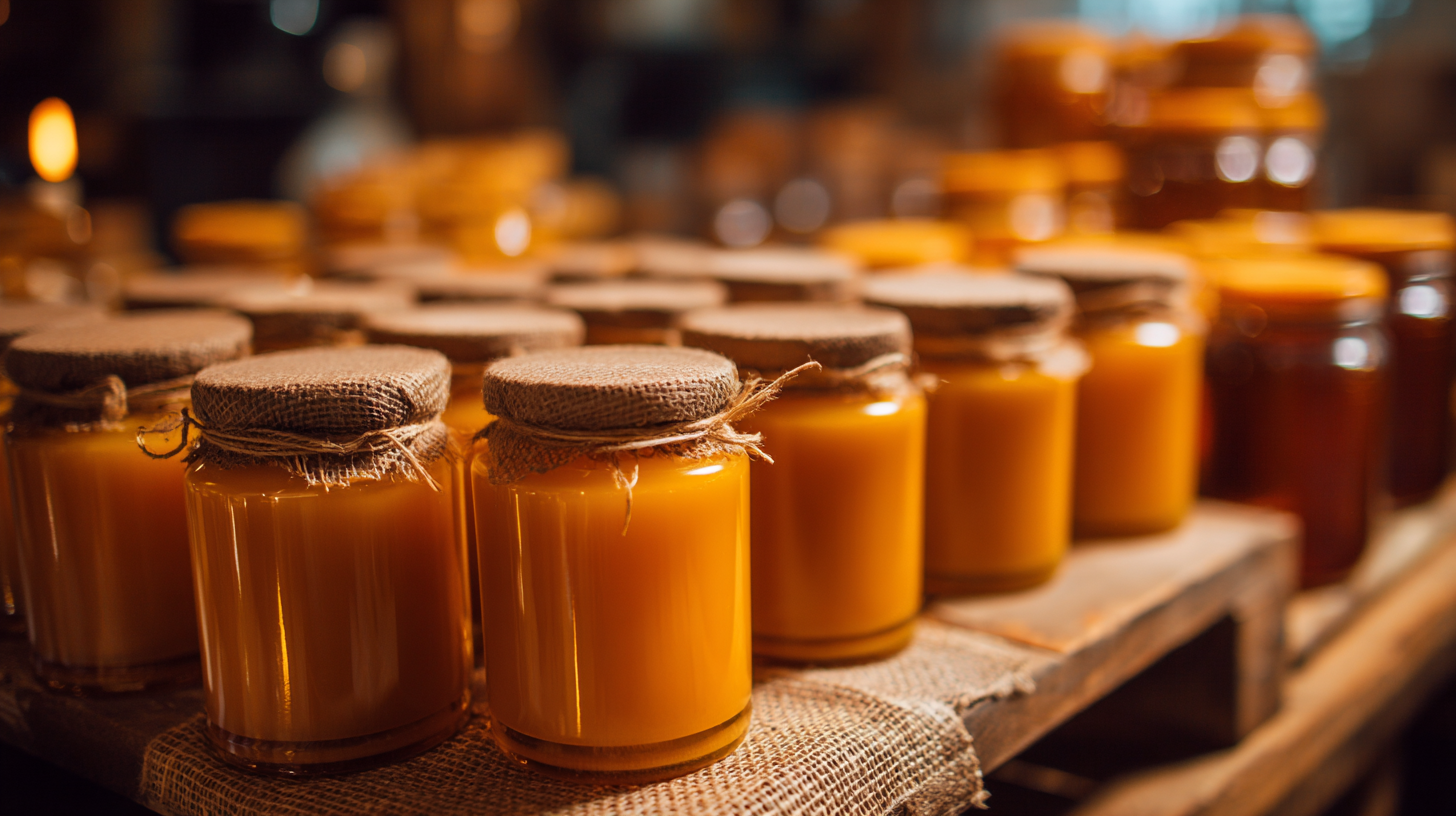 Finding sustainable sources of beeswax is no easy feat for eco-friendly businesses. Did you know that the global beeswax market is expected to grow at a compound annual growth rate (CAGR) of around 4.6% from 2021 to 2026, according to Mordor Intelligence? That bump in demand can really put some strain on beekeepers, sometimes leading to overharvesting and possibly harming bee populations. So, for companies committed to doing things the right way, it’s a bit of a balancing act—making sure they source beeswax responsibly while staying true to their sustainability goals.
One smart move? Building direct relationships with local beekeepers. When businesses partner up with sustainable apiaries, they not only get a more reliable and ethically sourced beeswax supply but also support local communities. The FAO highlights that promoting these local networks actually boosts local economies and makes tracking where the beeswax comes from much easier. Plus, there are other options worth exploring—like plant-based waxes or blends—that could cut down on the reliance on traditional beeswax but still do the job just as well. With demand for green products only going up, making sustainable sourcing a priority isn’t just good ethics; it’s essential for any business wanting to stay competitive and responsible in today’s market.
Impact of Sustainable Beeswax on Environmental Conservation Efforts
Hey, have you ever thought about beeswax? It's this amazing natural product that comes straight from beehives, and it actually plays a pretty important role in helping the environment. As more folks are leaning toward sustainable materials these days, beeswax really stands out as a great eco-friendly option. I read a report from the International Bee Research Association that said if we harvest beeswax responsibly, it can help support bee populations and even cut down on our carbon footprints. Plus, since beeswax is biodegradable and non-toxic, it’s a much greener choice compared to those synthetic waxes used in stuff like cosmetics and food packaging.
If your business wants to get involved with sustainable beeswax, it’s a good idea to buy from certified beekeepers who follow ethical practices. That way, you're not just supporting local communities, but also helping protect bee habitats. Another cool thing you can do is run educational programs about how vital bees are for ecosystems—kind of spreading the love and awareness, ya know?
Here’s a tip: when picking a beeswax supplier, look for ones who are transparent about how they harvest their wax and who genuinely care about sustainability. Making that choice isn’t just better for the planet; it can also boost your brand in the eyes of eco-conscious customers. Oh, and consider switching to beeswax wraps for your packaging—it’s a simple switch that helps cut down on plastic waste and shows your commitment to being greener.
All in all, beeswax isn’t just good for your products—it’s good for the planet too. So, maybe it’s time to get a little more bee-friendly!
Transform Your Beauty Routine: Harnessing PEG-8 Beeswax in Innovative Cosmetic Formulations
Transforming your beauty routine can be a seamless journey with the incorporation of innovative ingredients such as PEG-8 beeswax. With CAS numbers 8012-89-3 and 25322-68-3, this remarkable ingredient is composed of PEG-8 beeswax, offering unique benefits that elevate cosmetic formulations. Notably, its appearance as white to yellowish, waxy semi-solid pastilles makes it an appealing choice for a range of beauty products, from creams to balms.
PEG-8 beeswax is particularly valued for its functional properties. It is insoluble in water and alcohols, which allows it to provide a stable emollient base in formulations. Its solubility in warm oils and other melted waxes enhances the texture and spreadability of products, making them easier to apply and more enjoyable to use. According to a report by the International Journal of Cosmetic Science, ingredients like PEG-8 beeswax can improve product viscosity and stability, making them essential for high-performance cosmetics.
Moreover, the global cosmetic market is increasingly leaning towards natural and safe synthetics, with PEG-8 beeswax positioned as a versatile emollient that satisfies consumer demand for effective, innovative, and responsibly formulated products. As the industry projects steady growth, the utilization of PEG-8 beeswax as a reliable ingredient is set to play a pivotal role in advancing new trends in cosmetic formulations, creating opportunities for brands to innovate and cater to evolving consumer preferences.
FAQS
: Green businesses face challenges such as overharvesting due to increasing demand, which can harm bee populations and complicate sustainable sourcing efforts.
Companies can foster direct relationships with local beekeepers and establish partnerships with sustainable apiaries, ensuring a reliable supply of ethically sourced beeswax.
Sourcing from local beekeepers supports community economies, enhances the traceability of beeswax products, and ensures more ethical harvesting practices.
Yes, businesses can explore innovative alternatives such as plant-based waxes or blends that reduce dependence on traditional beeswax while maintaining similar functional properties.
Sustainable harvesting of beeswax can enhance pollinator populations, reduce carbon footprints, and provide a biodegradable and non-toxic alternative to synthetic waxes.
Businesses should seek suppliers who offer transparency in their harvesting methods and demonstrate a commitment to sustainable practices.
Companies can take initiatives such as offering educational programs, thereby contributing to conservation efforts and promoting the significance of bees in their ecosystems.
Businesses can adopt a circular approach to packaging by utilizing beeswax wraps, which not only reduce plastic waste but also showcase their commitment to sustainability.