You know, there's been quite a buzz recently about finding safe and effective ways to care for our skin, and Alpha Arbutin has been getting a lot of attention. Unlike Hydroquinone, which many folks find a bit controversial, Alpha Arbutin seems to be catching on as a safer choice. I read a report from the American Academy of Dermatology that talks about how Hydroquinone can be risky—especially if used for a long time—potentially leading to some skin damage. So, naturally, that makes you wonder: is Alpha Arbutin actually safer than Hydroquinone?
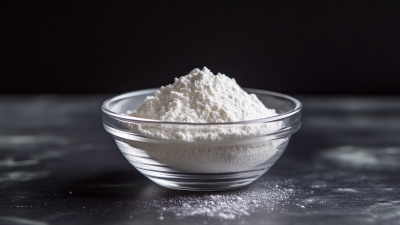
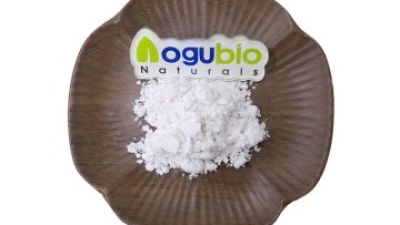
Well, Dr. Sarah Johnson, a dermatologist I really trust from Skin Health Experts, says that “Alpha Arbutin offers a lower risk profile while still delivering good results.” That’s pretty reassuring, right? It also lines up with what Dermalogica data shows—more and more people are looking for products that are both safe and effective. And the fact that Alpha Arbutin, like this raw material, is free from harsh chemicals makes it even more appealing, especially if you’re cautious about what goes on your skin.
Of course, just because it’s generally considered safer doesn’t mean everyone will react exactly the same. Skin can be pretty individual, after all. The skincare world keeps evaluating these ingredients—balancing the benefits against any potential risks—so consumers can make more informed choices without the guesswork.
Understanding Alpha Arbutin and Hydroquinone in Skin Care
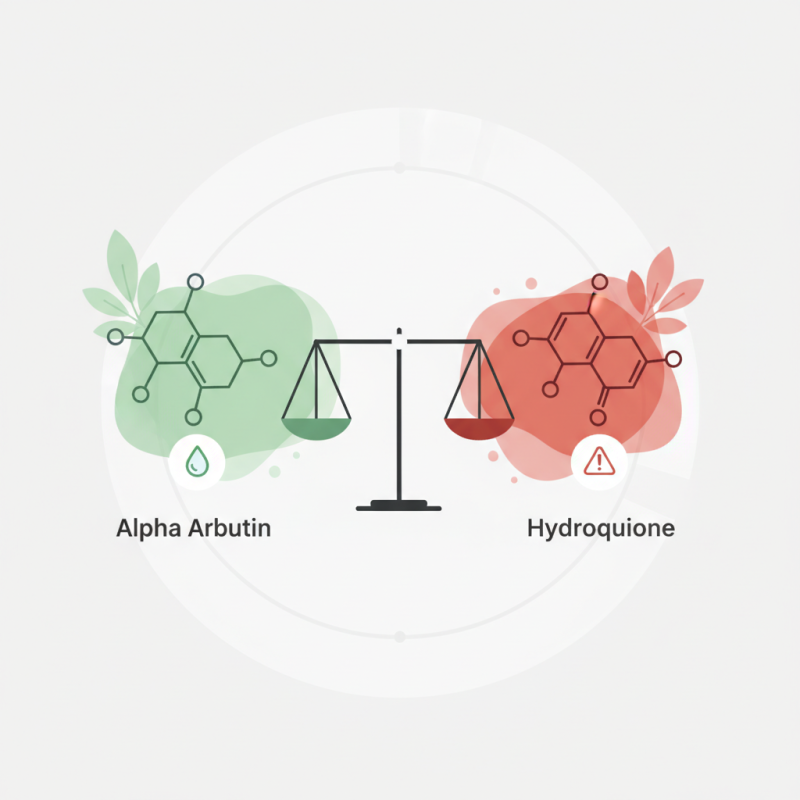
Alpha arbutin and hydroquinone are common ingredients in skin care. Both are used to address hyperpigmentation and uneven skin tone. Alpha arbutin is a naturally derived compound, while hydroquinone is a synthetic agent. Research shows that alpha arbutin is gentler. It poses a lower risk of side effects. Many dermatologists consider it a safer alternative for Sensitive Skin.
Hydroquinone, on the other hand, has been linked to various skin issues. Prolonged use can cause irritation, redness, and even a condition called ochronosis, which darkens the skin. A study published by the American Academy of Dermatology indicates that hydroquinone can lead to adverse effects in 25% of users. In contrast, alpha arbutin shows minimal side effects, making it appealing, especially for those with sensitive skin.
However, the effectiveness of alpha arbutin in reducing pigmentation varies. Some studies show it may require more time to deliver visible results. Users should be aware that while alpha arbutin is generally safer, consistency is key. Individual reactions can differ widely. It's important to conduct a patch test before full application to ensure compatibility with your skin type.
Mechanisms of Action: How Alpha Arbutin Works on Skin
Alpha arbutin is gaining attention for its skin care benefits. It’s a safer alternative to hydroquinone, often linked to side effects. This compound works by inhibiting the enzyme tyrosinase, which is crucial in melanin production. By doing so, Alpha Arbutin Powder helps to fade dark spots and promote an even skin tone.
Applying alpha arbutin may lead to noticeable improvements. Regular use can result in brighter skin in a few weeks. However, results can vary from person to person, making it essential to remain patient. Some users may experience sensitivity. Monitoring your skin's reaction is crucial. Always conduct a patch test before full application.
While alpha arbutin presents advantages, it’s not a one-size-fits-all solution. The journey to perfect skin is often imperfect. Everyone’s skin is unique, and what works for one may not work for another. Finding the right balance in your skin care routine is important. Experimentation is key, but reflect on your choices and their outcomes.
Mechanisms of Action: How Hydroquinone Works on Skin
Hydroquinone is widely used in skin care for its ability to lighten skin and reduce dark spots. It works by inhibiting melanin production, the pigment responsible for skin color. This process can lead to skin lightening over time. However, continuous use may cause irritation or adverse reactions for some individuals. Therefore, it’s essential to approach hydroquinone with care.
Tips: Always do a patch test before applying any new products. This can help identify potential reactions. Start with a lower concentration and observe your skin's response. Balance is key—excessive use could lead to more harm than good.
On the other hand, Cosmetic Grade Alpha Arbutin Powder offers a gentler alternative. It also reduces melanin production but with less risk of irritation. Some skincare enthusiasts note a gradual improvement in skin tone without the harsh side effects of hydroquinone. However, it may require consistent use to see results.
Tips: Incorporate alpha arbutin into your skincare routine slowly. Watch for changes in your skin over weeks. Always combine with a good sunscreen to protect your skin from UV damage.
Is Alpha Arbutin Safer Than Hydroquinone for Skin Care? - Mechanisms of Action
| Component | Mechanism of Action | Efficacy | Safety Profile | Common Usage |
| Alpha Arbutin | Inhibits tyrosinase, reducing melanin production | Moderate effectiveness in brightening skin | Generally safe with low irritation possibility | Brightening and hyperpigmentation treatment |
| Hydroquinone | Inhibits melanin production by blocking tyrosinase enzyme | High effectiveness in skin lightening | Potential for irritation and side effects | Skin lightening and treatment of dark spots |
Efficacy Comparison: Alpha Arbutin vs Hydroquinone
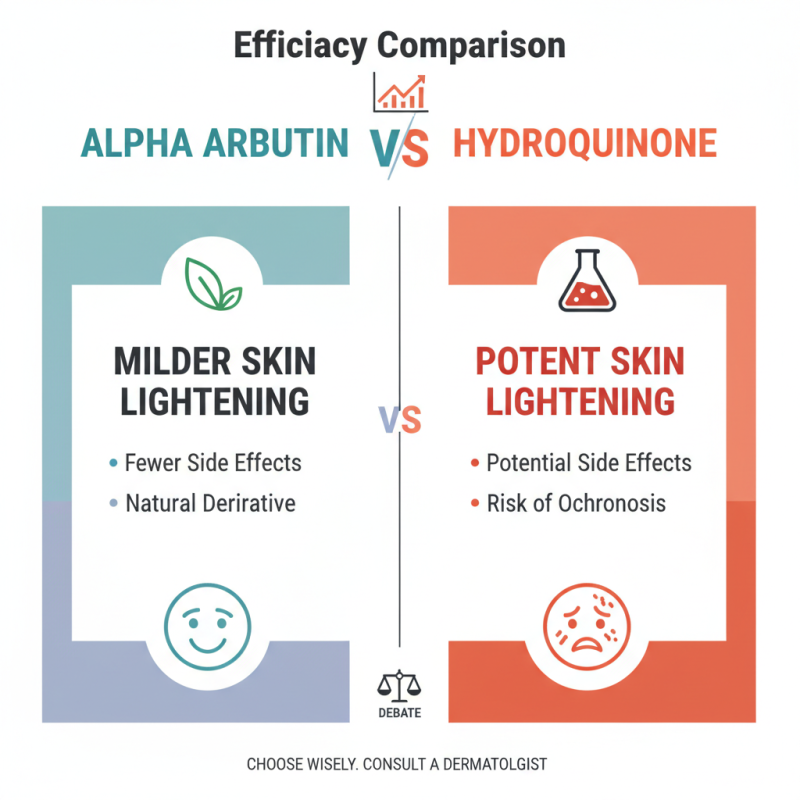
In the realm of skin care, the debate between alpha arbutin and hydroquinone often surfaces. Both ingredients are known for their skin-lightening effects. Hydroquinone has been a popular choice for many years. However, it comes with potential side effects. Reports mention irritation and even ochronosis, a serious skin condition. Is it worth the risk?
On the other hand, alpha arbutin is a derivative of hydroquinone. It offers a gentle approach to skin brightening. Users often report fewer adverse reactions. The Alpha Arbutin Powder Usage Rate can be effective in reducing hyperpigmentation without the harshness of hydroquinone. Studies indicate it works gradually. The results may take longer to show, but the risks are lower.
Some people still prefer quick results. They may overlook the potential harm associated with harsher treatments. It's vital to consider long-term skin health over immediate fixes. Each person’s skin reacts differently. Before choosing, it's advisable to consult a dermatologist. Understanding your skin’s needs can lead to better decisions.
Safety Profiles: Side Effects of Alpha Arbutin
Alpha Arbutin has gained attention in skincare as a potential alternative to hydroquinone. This shift stems from concerns about hydroquinone’s safety profile. Hydroquinone is known to cause skin irritation, allergic reactions, and even ochronosis, a condition that leads to dark blue-black pigmentation. In contrast, Alpha Arbutin is considered to be safer. Researchers noted that it does not have the harsh side effects commonly associated with hydroquinone.
Many reports indicate that Alpha Arbutin, at concentrations up to 2%, shows minimal skin irritation. In one study, participants did not report significant side effects after using products containing 99% Pure Alpha Arbutin Powder. However, some individuals may experience mild redness or sensitivity. While more research is needed, Alpha Arbutin appears to offer skin lightening effects with a lower risk of adverse reactions.
Understanding the details is crucial. The effectiveness of Alpha Arbutin may not match that of hydroquinone for everyone. Some users may need to be patient to see results. While the 99% Pure Alpha Arbutin Powder provides a promising alternative, individual experiences may vary. It is essential to test the product gradually, paying attention to how your skin reacts.
Safety Profiles: Side Effects of Hydroquinone
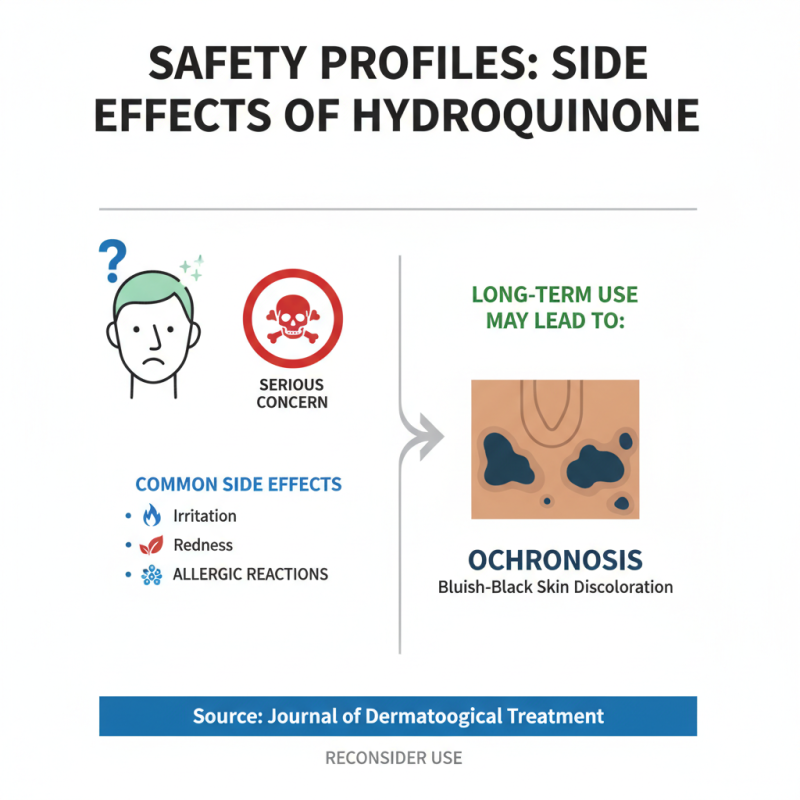
Hydroquinone, a popular skin lightening agent, has raised significant safety concerns. Users often report side effects like skin irritation, redness, and allergic reactions. A study published in the *Journal of Dermatological Treatment* revealed that long-term use may lead to ochronosis, a condition that causes bluish-black discoloration of the skin. This serious side effect has made many reconsider its use.
Despite its effectiveness, hydroquinone carries risks that cannot be ignored. The American Academy of Dermatology warns against prolonged usage due to the potential for severe skin reactions. There are limited guidelines on safe concentration levels, and regulations vary across countries. Users should be aware that what might be safe for one individual could be harmful for another.
**Tips:** Always conduct a patch test before using hydroquinone. Monitor your skin’s response closely. Consult with a dermatologist for personalized advice.
Alternatives like alpha arbutin are emerging. They are considered gentler options for skin brightening. Yet, more research is necessary to establish their long-term safety. Ultimately, it is vital to weigh the risks and benefits before starting any skin treatment regimen. Make an informed choice about what you apply to your skin.
Regulatory Status and Recommendations for Use in Skincare
When discussing the regulatory status of Alpha Arbutin and Hydroquinone, it's clear that both ingredients have varying degrees of acceptance in skincare. Alpha Arbutin is generally regarded as safer and more stable. It's naturally derived from berries, which adds to its appeal. Unlike Hydroquinone, which is often banned in several regions, Alpha Arbutin remains widely available. This makes it a popular choice for those seeking lighter skin or reducing hyperpigmentation.
However, Alpha Arbutin is not entirely without risks. Some users may experience mild irritation or allergic reactions. This is a reminder that even natural ingredients can cause issues. Hydroquinone, on the other hand, has a more complex history. While effective, it previously raised concerns about skin damage with prolonged use. Regulations often reflect these worries. These factors shape consumer choices in significant ways.
Ultimately, while Alpha Arbutin holds promise for safe skin care, caution is still essential. Consumers need to conduct patch tests before widespread use. The skincare landscape is evolving, and so should our understanding of these ingredients. Regulations may change as new research emerges, prompting ongoing evaluation of safety and efficacy.
Exploring the Efficacy of Deoxyarbutin Powder: Insights from Recent Skincare Industry Reports and Market Trends
Deoxyarbutin, a powerful skincare ingredient, has recently gained attention within the beauty industry for its remarkable efficacy. As a derivative of arbutin, this compound is primarily known for its skin-brightening properties. Industry reports indicate that deoxyarbutin can effectively inhibit tyrosinase, an enzyme pivotal in melanin production, leading to reduced hyperpigmentation and a more even skin tone. The compound is widely appreciated for its gentler approach compared to other skin lighteners, making it an appealing choice for sensitive skin types.
With a high purity specification of ≥ 99% and a molecular weight of 194.23, deoxyarbutin exhibits optimal performance in various cosmetic formulations. Its crystalline form, ranging from white to off-white, enhances the aesthetic appeal of products while ensuring stability and solubility in both water and alcohol. Moreover, with a pH value typically around 5-7 in solution, it aligns with the physiological pH levels of the skin, thus facilitating better absorption and efficacy. As the skincare market continues to shift towards effective yet safe ingredients, deoxyarbutin powder is positioned as a key player in the future of cosmetic innovations.
FAQS
: Alpha arbutin is a compound that helps lighten skin by inhibiting melanin production.
It works by blocking the enzyme tyrosinase, which is essential for melanin production.
Not necessarily. Everyone's skin is unique, and reactions can vary. Patience is important.
Results can take a few weeks. However, this varies among different users.
If you notice sensitivity, stop use immediately. Always patch test before applying fully.
Alpha arbutin is gentler and has fewer reported side effects than hydroquinone.
Hydroquinone can cause skin irritation and serious side effects like ochronosis with long-term use.
Yes, consulting a dermatologist helps you understand your skin's needs and ensure safe use.
No, alpha arbutin works gradually. Quick results can come with higher risks.
Experiment, reflect on your choices, and adjust based on how your skin reacts.
Conclusion
The article "Is Alpha Arbutin Safer Than Hydroquinone for Skin Care?" delves into the comparison between Alpha Arbutin and Hydroquinone, two popular ingredients in skincare. It begins with an overview of each compound, detailing how they function on a cellular level to reduce pigmentation and promote even skin tone. The mechanisms of action for both ingredients highlight their effectiveness in skincare, followed by an analysis of their efficacy in treating skin concerns like hyperpigmentation.
A significant focus of the article is the safety profiles of both ingredients, where it discusses the side effects associated with Alpha Arbutin and Hydroquinone. Ultimately, the article seeks to answer the pivotal question: Is Alpha Arbutin Safer Than Hydroquinone, providing insights into their regulatory status and recommendations for safe usage in skincare routines. The findings suggest that while both ingredients can be effective, Alpha Arbutin may present a more favorable safety profile for long-term use.