0102030405
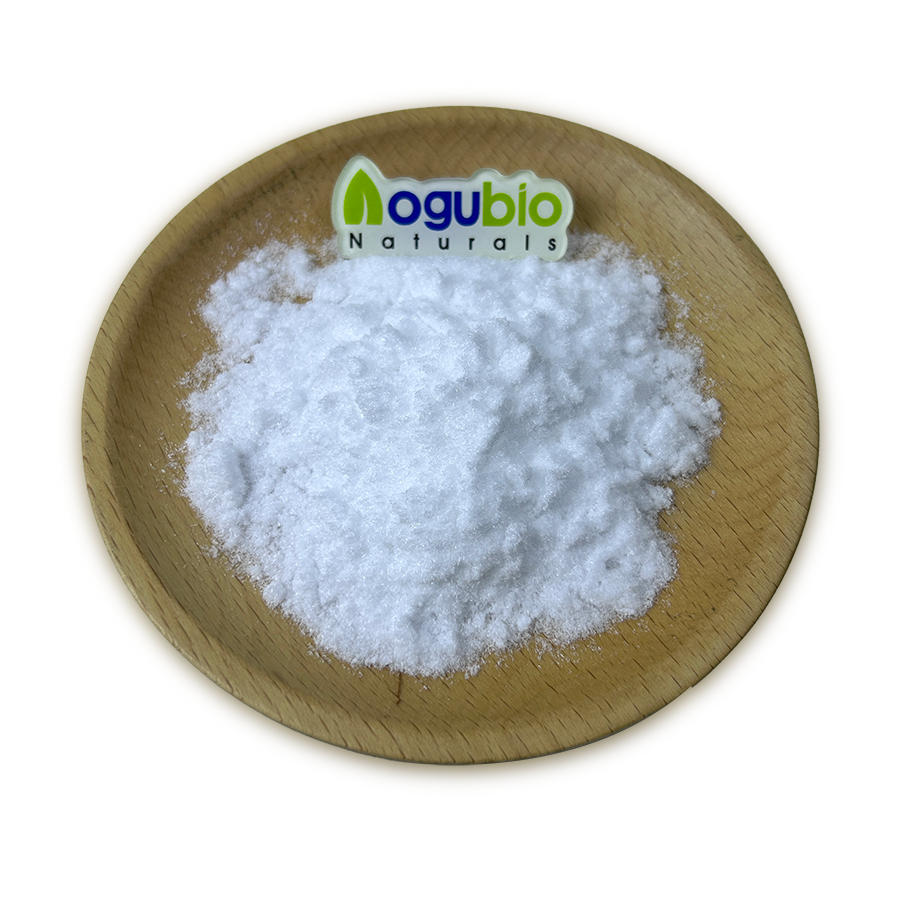
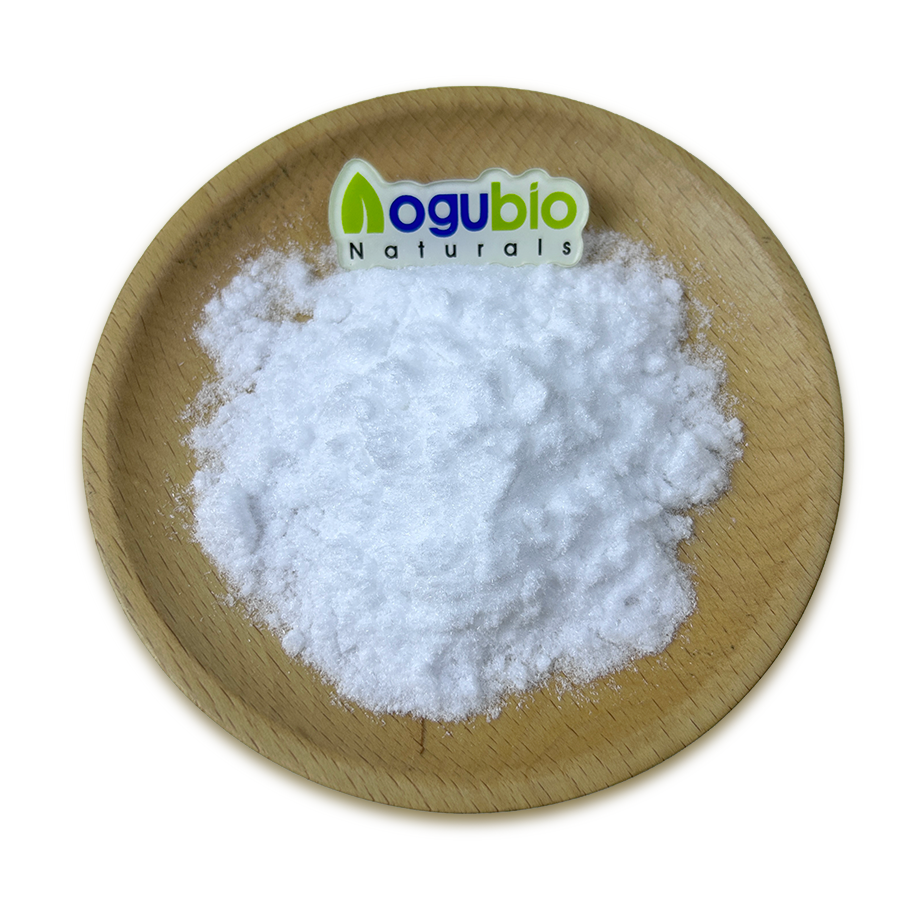
Acetyl Tetrapeptide-2 The Neuro-Soothing Peptide for Redness & Rosacea
01
Product Description
1. Mechanism of Action (MOA)
Acetyl Tetrapeptide-2 is a biomimetic peptide specifically designed to target and mitigate neurogenic inflammation, a key driver of facial redness and sensitivity, particularly in conditions like rosacea.
Targeted Inhibition of Substance P Release: The peptide works by modulating the activity of sensory neurons in the skin. It helps to reduce the release of Substance P, a primary neuropeptide that triggers inflammation, vasodilation (widening of blood vessels), and the sensation of itching and burning.
Calculation of Neurogenic Inflammation: By lowering Substance P levels, Acetyl Tetrapeptide-2 effectively interrupts the vicious cycle of neurogenic inflammation. This leads to reduced nerve-induced flare-ups, decreased visible redness, and an overall calming sensation.
Improvement of Skin Barrier Function: Chronic neurogenic inflammation compromises the skin barrier. By calming the nerves, this peptide indirectly supports the repair and strengthening of the skin's natural protective barrier.
In summary, Acetyl Tetrapeptide-2 acts as a "neuro-soother" by specifically targeting the neurological signals that cause redness and irritation, providing a foundational approach to managing reactive skin.
2. In Vitro Efficacy Data
Models: Human keratinocyte cultures, neuronal cell models, and assays measuring Substance P release.
Key Findings:
Dose-Dependent Reduction of Substance P: In vitro studies demonstrated that Acetyl Tetrapeptide-2 significantly and dose-dependently inhibits the release of Substance P from sensory neurons when triggered by inflammatory stimuli.
Downregulation of Inflammatory Mediators: Treatment with the peptide led to a marked decrease in the production of other pro-inflammatory cytokines (e.g., IL-8) in skin cells, confirming a broad anti-inflammatory effect.
Enhanced Barrier Gene Expression: Models showed an upregulation of genes associated with skin barrier integrity, such as those involved in forming tight junctions.
3. Clinical Results
Human clinical studies have validated its efficacy in reducing facial redness and improving the condition of sensitive skin.
Rosacea & Redness-Prone Skin Study (4-8 weeks):
Method: A formulation containing ~3-5 ppm Acetyl Tetrapeptide-2 was applied twice daily by subjects with clinically diagnosed rosacea or self-perceived sensitive skin with redness.
Result: After 4 weeks, instrumental analysis and dermatological assessment showed:
A significant reduction in the intensity and area of facial redness.
A decrease in the frequency and severity of flushing episodes.
Improved overall skin comfort, with subjects reporting less stinging and burning.
Self-Assessment Questionnaires:
Result: Over 80% of participants agreed that their skin felt "more calm," "less reactive," and "soothed" after continued use.

Safety Profile
It is non-irritating, non-sensitizing, and specifically designed for use on fragile and reactive skin. Its mechanism is highly targeted, making it suitable for long-term use.
Compatibility
Synergistic Combinations:
*With Niacinamide: Provides a multi-pathway approach to reducing redness and strengthening the barrier.
*With Centella Asiatica or Licorice Root Extract: Combines neuro-soothing with phytotherapeutic anti-inflammatory benefits.
*With Ceramides: Simultaneously calms nerves and repairs the lipid barrier for comprehensive skin health.
Ideal for Sensitive Skin Formulations: Its high tolerance makes it a cornerstone ingredient in products for rosacea, sensitive skin, and post-procedure recovery.
*With Niacinamide: Provides a multi-pathway approach to reducing redness and strengthening the barrier.
*With Centella Asiatica or Licorice Root Extract: Combines neuro-soothing with phytotherapeutic anti-inflammatory benefits.
*With Ceramides: Simultaneously calms nerves and repairs the lipid barrier for comprehensive skin health.
Ideal for Sensitive Skin Formulations: Its high tolerance makes it a cornerstone ingredient in products for rosacea, sensitive skin, and post-procedure recovery.
01
Recommended Usage & Formulation
Recommended Concentration: 2 - 6 ppm (0.0002% - 0.0006%) in the final product. Effective at very low concentrations.
Suitable Applications: Ideal for a range of soothing and reparative products.
Redness Relief & Anti-Redness Serums: The primary application for targeted action.
Daily Moisturizers for Sensitive & Rosacea-Prone Skin: For ongoing maintenance and prevention of flare-ups.
Soothing Creams & Masks: For immediate calming relief.
Post-Procedure Recovery Serums: To minimize redness and discomfort after treatments like lasers or chemical peels.
01
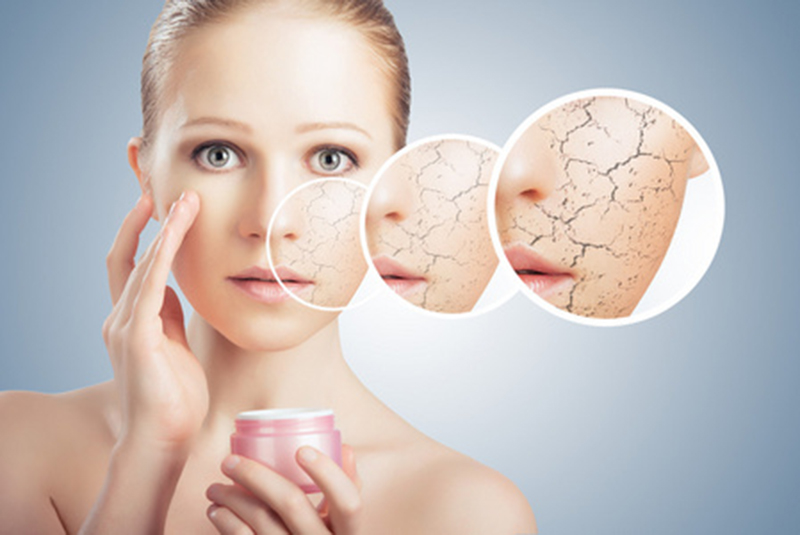
Targets the Root Cause
Uniquely addresses neurogenic inflammation by inhibiting Substance P, going beyond surface-level soothing.
01
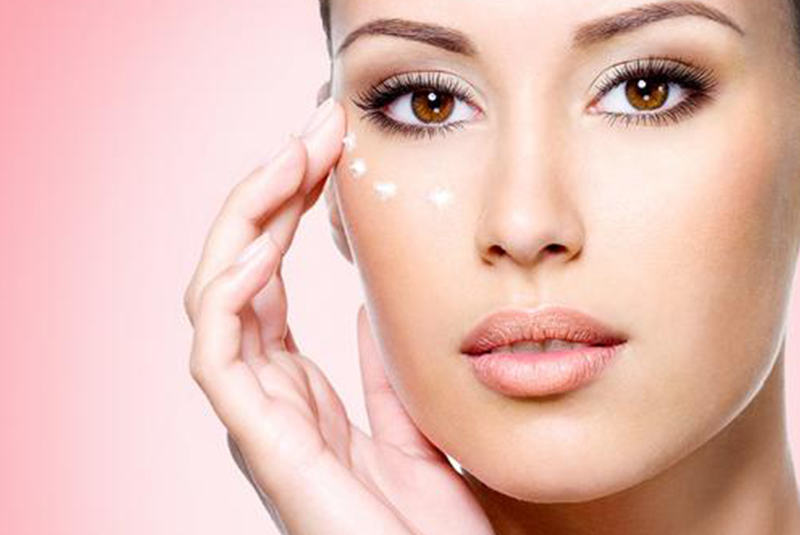
Clinically Proven for Redness
Demonstrated efficacy in reducing facial redness and improving the condition of rosacea-prone and sensitive skin.

03
Rapid and Lasting Calm
Provides both immediate soothing sensations and long-term management of skin reactivity.
03
Exceptionally Safe
Perfectly suited for the most fragile and intolerant skin types.
03
Barrier-Supportive
Indirectly aids in barrier repair by calming the underlying neural inflammation that compromises it.
03
Marketing Synergy
Aligns perfectly with the growing "neurocosmetics" trend and the demand for smart, targeted solutions for sensitive skin.

Storage
Store in a closed container at a dry place at room temperature.

Animal Testing
Not animal tested

Vegan
Does not contain animal-derived components

GMO
No data available